


















Secure Crypto Wallet protection matters more today than ever before. With crypto usage skyrocketing worldwide, threats are also rising. A breach can cost you real money within seconds. That makes robust defense vital.
This article offers complete guidance on how to unlock ultimate secure crypto wallet protection—without compromise. You’ll find simple language, key definitions, real‑world examples, pros, cons, actionable tips, FAQs, and a strong call‑to‑action. Whether you’re new to crypto or already investing, this guide helps you protect your assets.
Let’s get started.
What Is a Secure Crypto Wallet and Why Does It Matter Now?
A Secure Crypto Wallet stores your private keys. Private keys let you access and manage your crypto. If a key is compromised, funds vanish.
Crypto adoption is growing. DeFi, Web3, and NFT marketplaces see surging use. Threats like phishing, malware, and social engineering also rise. That makes strong crypto wallet security essential across all wallet types: hot wallet, cold wallet, hardware wallet, mobile wallet, and decentralized wallet.
This post will help you evaluate and deploy the best crypto wallet for 2025. It teaches wallet selection, backup, and risk management.
Key Crypto Terms for Beginners
Before diving deeper, let’s explain essential terms:
- Blockchain: A digital ledger that records transactions in linked blocks.
- DeFi (Decentralized Finance): Financial services built on blockchain, with no central authority.
- Web3: The decentralized internet layer that empowers users with ownership and privacy.
- Private Key: A secret code that proves ownership and gives control over crypto funds.
- Public Key: A cryptographic counterpart to a private key. It lets others send you crypto.
- Seed Phrase: A sequence of words that recovers access to your wallet.
- Hot Wallet: An internet-connected wallet for day‑to‑day transactions.
- Cold Wallet: An offline wallet, much safer than online threats.
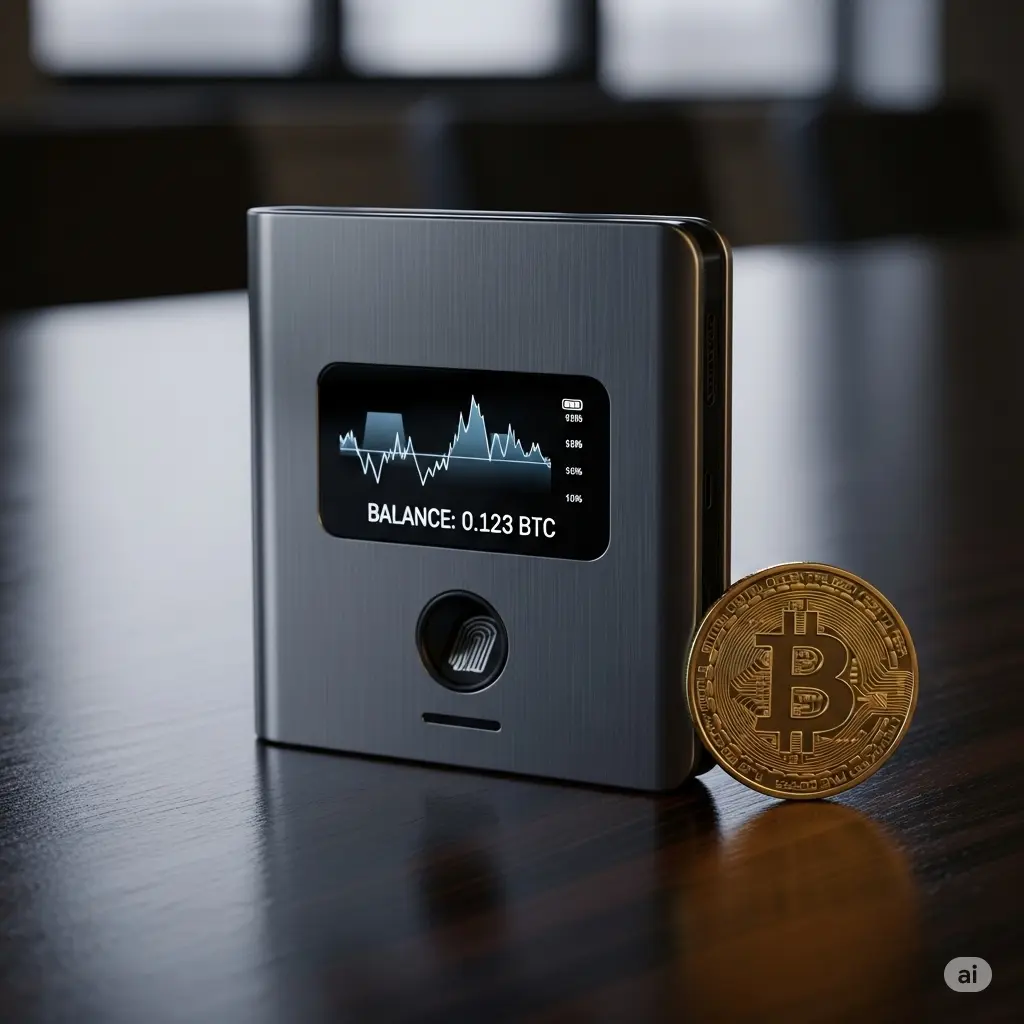
- Hardware Wallet: A physical device for storing your private keys offline.
- Mobile Wallet: A wallet app on your phone or tablet.
- Decentralized Wallet: A wallet where only you control keys, without custodial services.
These terms build the foundation for understanding Secure Crypto Wallet protection.
Choose the Right Type: Cold vs Hot Wallet
What Is a Hot Wallet?
A hot wallet stays connected to the internet. Examples: mobile wallet and web wallet. Apps like MetaMask, Trust Wallet, or exchanges.
Pros of hot wallets:
- Very convenient for everyday transactions.
- Easy user interface, quick setup.
- Good for active DeFi trading or Web3 use.
Cons of hot wallets:
- More vulnerable to hacks, phishing, and malware.
- If your device or app is compromised, your funds are at risk.
What Is a Cold Wallet?
A cold wallet stays offline. Examples: hardware wallet (like Ledger or Trezor) or even paper wallets.
Pros of cold wallets:
- Significantly safer from online threats.
- Private keys never touch the internet.
- Ideal for long‑term storage of crypto investments.
Cons of cold wallets:
- Less convenient for frequent trading.
- Risk of losing the device or recovery phrase.
- Requires careful backup and physical security.
Evaluate the Best Crypto Wallet 2025
As crypto evolves, newer wallets offer improved security and usability. Here’s what to look for when choosing:
Key Criteria for 2025 Wallets
| Feature | Why It Matters |
|---|---|
| Hardware-based, FIDO or secure chip | Adds physical tamper resistance and isolation |
| Open‑source code | Hardware-based, FIDO, or secure chip |
| Backup with Shamir Secret Sharing | Distributes recovery phrase securely among trusted locations |
| Multi‑currency support | Useful for diverse portfolios |
| Easy yet secure UX | Reduces user errors without compromising security |
Example Wallets (Case Study)
- Ledger Stax
- Has a large touchscreen with PIN protection.
- Let’s you review transactions on the device.
- Supports Shamir backup in 2025.
- Trezor Model T
- Open-source firmware with visual confirmation.
- Secure and transparent community audits.
- Coldcard (Bitcoin-only)
- Air‑gapped device using a microSD card.
- Ideal for ultra‑security for Bitcoin long-term holders.
Together, these wallets lead the best crypto wallet 2025 space.
Combine a Cold Wallet with a Secure Hot Wallet
Most users benefit from both types. Here’s how to mix for the best protection:
- Store the majority of funds in a cold wallet for long‑term security.
- Keep a small spendable balance in a hot wallet for daily use.
- Never store large holdings on exchanges or custodial services.
- Enable strong crypto wallet security like PIN, passphrase, and multi‑factor auth.
Step‑by‑Step: Wallet Backup and Recovery
Understanding wallet backup ensures you don’t lose access.
Use Secure Backups
- Write your seed phrase on quality paper or metal durable against fire/water.
- Use wallet backup methods like Shamir sharing or multi‑location secrets.
- Store recovery backup in physically different secure places.
Test Your Backup
- Try restoring the wallet on a test device.
- Confirm legibility and accuracy of your written seed phrase.
- Do this before transferring significant funds.
Secure Crypto Wallet Practices for Safety
Maintain strong routines to protect your crypto.
Daily Security Habits:
- Keep firmware and software updated.
- Avoid clicking suspicious links or phishing sites.
- Always verify addresses before signing transactions.
- Use strong passwords and unique logins for wallet apps.
- Enable device-level security like biometrics or PIN.
Advanced Security Measures:
- Use a separate “only crypto” device without email or personal apps.
- Employ hardware firewalls or virtual machines.
- Consider multi‑signature wallets for shared custody.
- Monitor wallet activity using automation or alerts.
Addressing Risks: Pros, Cons, and Pitfalls
Benefits of Ultimate Secure Crypto Wallet Setup
- Drastically reduced risk of online hacks.
- Owning private keys gives true control over your crypto.
- Peace of mind for long‑term investment.
- Trustless setup aligns with Web3, DeFi ethos.
Potential Risks or Downsides
- Costs for hardware wallets.
- Mistakes like losing the seed phrase lead to permanent loss.
- Managing two wallets (hot + cold) adds complexity.
- Some users may feel intimidated by the device or backup steps.

Real‑World Example: Avoiding a Phishing Scam
This case illustrates the importance of crypto wallet security:
- A mid‑level investor got a phishing link via a fake DeFi Airdrop site.
- They entered their seed phrase and lost $10K in under 2 minutes.
- After the incident, they bought a hardware wallet and moved funds.
- They also tested backup, updated firmware, and now feel safer.
- That illustrates how strong wallet protection can prevent real damage.
Actionable Advice for Beginners and Intermediate Users
Here are clear steps to secure your crypto wallet now:
- Start with a reliable hardware wallet (Ledger, Trezor, Coldcard).
- Write down your seed phrase in durable form (metal or fireproof backup).
- Test recovery on a spare device.
- Use a hot wallet only for small amounts—never mix large funds.
- Enable PIN or passphrase on your hardware wallet.
- Update firmware on both hardware and software wallets.
- Beware of phishing—always check the website domain and the SSL certificate.
- Use open‑source wallets when possible to benefit from audits.
- Set up alerts for suspicious transactions or access.
- Stay educated—subscribe to Global Crypto Sports updates on security trends.
Frequently Asked Questions (FAQ)
1. What is a Secure Crypto Wallet?
A Secure Crypto Wallet is a tool that stores private keys safely. It prevents unauthorized access.
2. What is the best crypto wallet for 2025?
Currently, hardware wallets like Ledger Stax, Trezor Model T, or Coldcard rank top. Look for firmware security, backups, and open‑source design.
3. Hot wallet vs cold wallet—which is safer?
Cold wallets are safer because they stay offline. Hot wallets are easier for daily use but more vulnerable.
4. What is a decentralized wallet?
A decentralized wallet gives you full control of private keys. No third‑party custody means higher security but more responsibility.
5. How should I back up my crypto wallet?
Write or engrave your seed phrase on a durable medium. Test restoration. Store backups in separate secure locations.
6. Can I recover a lost wallet?
Only if you have your correct seed phrase. Without it, recovery is impossible.
7. How do I avoid phishing or hacks?
Use hardware wallets. Double‑check URLs. Use fresh devices for transactions. Keep firmware current and follow alerts.
Conclusion
Your Secure Crypto Wallet is the gatekeeper to your digital assets. Today’s growth in DeFi, Web3, and global finance makes protection more crucial than ever. By combining cold wallets for long‑term safety and hot wallets for convenience, you strike the perfect balance.
Use proven devices like Ledger Stax, Trezor Model T, or Coldcard and follow best practices:
- Secure backup
- Firmware updates
- Strong passwords and PINs
- Vigilance against phishing
Your crypto security is in your hands. Act now:
- Choose the best crypto wallet 2025
- Set up secure backups
- Keep learning with Global Crypto Sports insights
Stay safe. Invest wisely. Empower your financial future.