


















Cryptocurrency has become one of the hottest financial trends globally, attracting millions of users and investors daily. With this surge in popularity comes a critical concern: how do you store your digital assets safely? Enter the secure crypto wallet the digital fortress that keeps your cryptocurrencies safe while giving you full control over your funds.
In this comprehensive guide, we’ll dive deep into the concept of a secure crypto wallet, explore the different types, highlight the best crypto wallet options in 2025, and provide actionable advice to help you protect your investments. Whether you’re new to crypto or an experienced investor, understanding crypto wallet security is crucial.
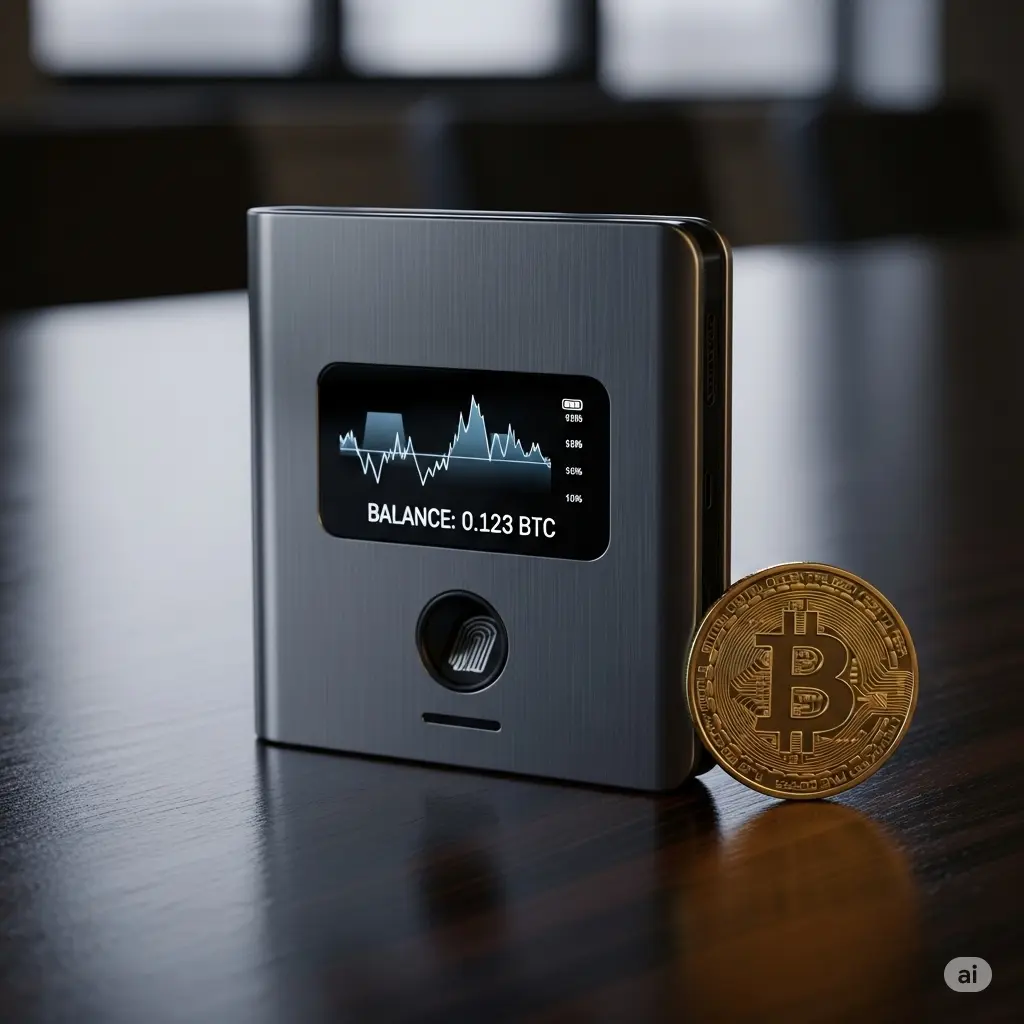
What Is a Secure Crypto Wallet?
A secure crypto wallet is a digital or physical tool that allows users to store and manage their cryptocurrency private keys safely. Your private keys are the secret codes that grant access to your crypto holdings. If someone else obtains these keys, they can control your funds making security paramount.
Understanding Basic Crypto Terms
Before diving deeper, here are a few key terms explained simply:
- Blockchain: A decentralized digital ledger that records all cryptocurrency transactions transparently and securely.
- DeFi (Decentralized Finance): Financial services like lending, borrowing, and trading without intermediaries, powered by blockchain.
- Web3: The next generation of the internet, where users control their own data and digital assets using decentralized technologies.
Why Is Crypto Wallet Security Important?
Unlike traditional banking, cryptocurrencies are not insured or regulated by governments. If you lose access to your wallet or fall victim to hacking, your funds are gone — often without recourse.
Here are some reasons why having a secure crypto wallet is vital:
- You Own Your Money: Crypto puts you in full control, but that means you are responsible for security.
- Protection Against Hacks: Exchanges and online wallets are common targets for cyberattacks.
- Avoiding Losses: Accidental deletion or software errors can cause permanent loss without backup.
- Privacy & Anonymity: A secure wallet helps maintain your financial privacy by preventing unauthorized access.
Types of Crypto Wallets
Choosing the right wallet depends on your needs: security, convenience, or both. Here’s a breakdown of the most popular types:
Cold Wallets
Cold wallets are offline wallets that store your private keys away from the internet. This drastically reduces hacking risk.
- Examples: Hardware wallets, paper wallets.
- Pros: Extremely secure, ideal for long-term storage.
- Cons: Less convenient for frequent transactions.
Hot Wallets
Hot wallets are connected to the internet and facilitate easy access to your crypto.
- Examples: Mobile wallets, desktop wallets, web wallets.
- Pros: Convenient for daily use and quick trades.
- Cons: More vulnerable to hacks.
Hardware Wallets
A subset of cold wallets, hardware wallets are physical devices (USB-like) that store your private keys offline.
- Popular brands: Ledger Nano X, Trezor Model T.
- Benefits: Combine security with usability; PIN-protected and often feature backup options.
- Drawbacks: Initial cost, risk of loss or damage.
Mobile Wallets
Mobile wallets are apps on your smartphone, offering on-the-go access.
- Examples: Trust Wallet, MetaMask Mobile.
- Advantages: User-friendly, often supports multiple cryptocurrencies.
- Risks: If your phone is lost or hacked, your funds may be at risk.
Key Features of a Powerful Secure Crypto Wallet
When looking for the best crypto wallet 2025, consider these essential features:
- Private Key Control: You must have sole control of your private keys.
- Multi-Factor Authentication (MFA): Adds an extra layer of security.
- Backup & Recovery Options: Seed phrases or hardware backups to restore access.
- Compatibility: Supports multiple cryptocurrencies and platforms.
- Open Source Software: Allows community auditing for security.
- User-Friendly Interface: Ease of use without compromising security.
- Decentralized Wallet: Operates without reliance on a central authority, enhancing privacy.
- Regular Updates: Keeps security protocols up to date against emerging threats.
How to Choose the Best Crypto Wallet 2025
With so many options on the market, how do you pick the right one? Here’s a step-by-step approach:
- Assess Your Needs
- Are you a long-term holder or active trader?
- Do you prefer hardware or software solutions?
- Research Wallet Reputation
- Check reviews and user feedback.
- Look for wallets with strong security track records.
- Consider Supported Cryptocurrencies
- Make sure the wallet supports the coins you own or plan to buy.
- Check for Security Features
- Prioritize wallets with cold storage options, MFA, and encryption.
- Backup and Recovery
- Confirm the wallet offers secure backup solutions.
- Test the User Experience
- Try demo versions if available.
- Review Fees
- Some wallets charge fees for transactions or features.

Case Study: Global Crypto Sports and Wallet Security
Global Crypto Sports, a growing platform in the crypto news niche, recently emphasized wallet security in its community outreach. They partnered with hardware wallet providers to educate users about cold storage benefits.
In one instance, a community member who stored winnings from crypto sports betting in a hot wallet fell victim to phishing attacks and lost significant funds. This highlighted the urgent need for secure wallets.
As a result, Global Crypto Sports initiated a campaign encouraging users to transition to decentralized wallets and adopt hardware wallets for better protection. This real-world example underscores how wallet security isn’t just theoretical — it directly impacts user assets.
Benefits and Potential Risks of Using Crypto Wallets
Benefits
- Full Ownership and Control: No intermediaries can freeze or seize your assets.
- Privacy: Secure wallets can help keep your transactions anonymous.
- Flexibility: Access your funds from anywhere if you have backups.
- Integration with DeFi and Web3: Many wallets allow direct interaction with decentralized apps.
Risks
- Loss of Private Keys: Losing keys means losing access to your funds permanently.
- Phishing and Scams: Fake wallet apps and websites target unsuspecting users.
- Technical Errors: Software bugs or hardware failures can cause issues.
- User Error: Forgetting seed phrases or mishandling backups.
Tips to Enhance Your Crypto Wallet Security
To maximize your wallet’s security, consider the following:
- Use Cold Wallets for Large Holdings: Store the majority of your funds offline.
- Enable Multi-Factor Authentication (MFA) on all hot wallets.
- Keep Your Backup Seed Phrase Offline: Write it down and store it in a secure, private place.
- Beware of Phishing Attempts: Always double-check URLs and wallet sources.
- Update Wallet Software Regularly: Stay protected against vulnerabilities.
- Use Strong Passwords and change them periodically.
- Separate Wallets for Different Uses: For example, use one wallet for daily transactions and another for savings.
- Consider Hardware Wallets for Enhanced Protection.
Frequently Asked Questions (FAQ)
1. What is the most secure type of crypto wallet?
Cold wallets, especially hardware wallets, are considered the most secure because they keep your private keys offline.
2. Can I recover my crypto if I lose my wallet?
Only if you have your backup seed phrase or private keys stored safely. Without them, recovery is impossible.
3. What’s the difference between a hot wallet and a cold wallet?
Hot wallets are connected to the internet for convenience, while cold wallets are offline for enhanced security.
4. Are mobile wallets safe to use?
Mobile wallets are generally safe but are more vulnerable than cold wallets. Use strong security measures and avoid storing large amounts on mobile wallets.
5. How do decentralized wallets differ from regular wallets?
Decentralized wallets don’t rely on a central authority and provide users full control without intermediaries, enhancing privacy and security.
6. What is a hardware wallet backup?
It’s a recovery method using a seed phrase or recovery card that allows you to restore access to your funds if the hardware wallet is lost or damaged.
7. Can I use one wallet for multiple cryptocurrencies?
Yes, many wallets support multiple cryptocurrencies, but always verify compatibility before use.
Conclusion & Call to Action
In the fast-evolving world of cryptocurrency, security is non-negotiable. Choosing a powerful secure crypto wallet that puts you firmly in control is the first step to safeguarding your digital wealth.
Whether you’re an active trader or a long-term holder, understanding wallet types, their pros and cons, and how to maintain security can save you from costly mistakes.
At Global Crypto Sports, we’re committed to bringing you the latest insights and updates on crypto safety. Stay informed, choose wisely, and always prioritize your crypto wallet security.
Ready to take control of your crypto assets? Start exploring the best crypto wallets of 2025 today, back up your keys, and secure your future in the world of decentralized finance!