


















In today’s digital age, owning cryptocurrencies is more popular than ever—but with that popularity comes risk. Whether you’re a casual investor following Global Crypto Sports or a serious DeFi enthusiast, understanding the most secure crypto wallet options in 2025 is critical.
- Why it’s crucial right now:
- Rising cybercrime and phishing attacks make crypto storage a growing target.
- As investors follow market trends and news—including Global Crypto Sports developments—having the best crypto wallet 2025 ensures peace of mind.
- With major hacks making headlines, protecting your digital assets has never been more urgent.
This blog will walk you through everything you need: definitions, real-world examples, wallet types, crypto wallet security tips, and actionable advice—whether you’re a beginner or intermediate investor.

What Is a Crypto Wallet?
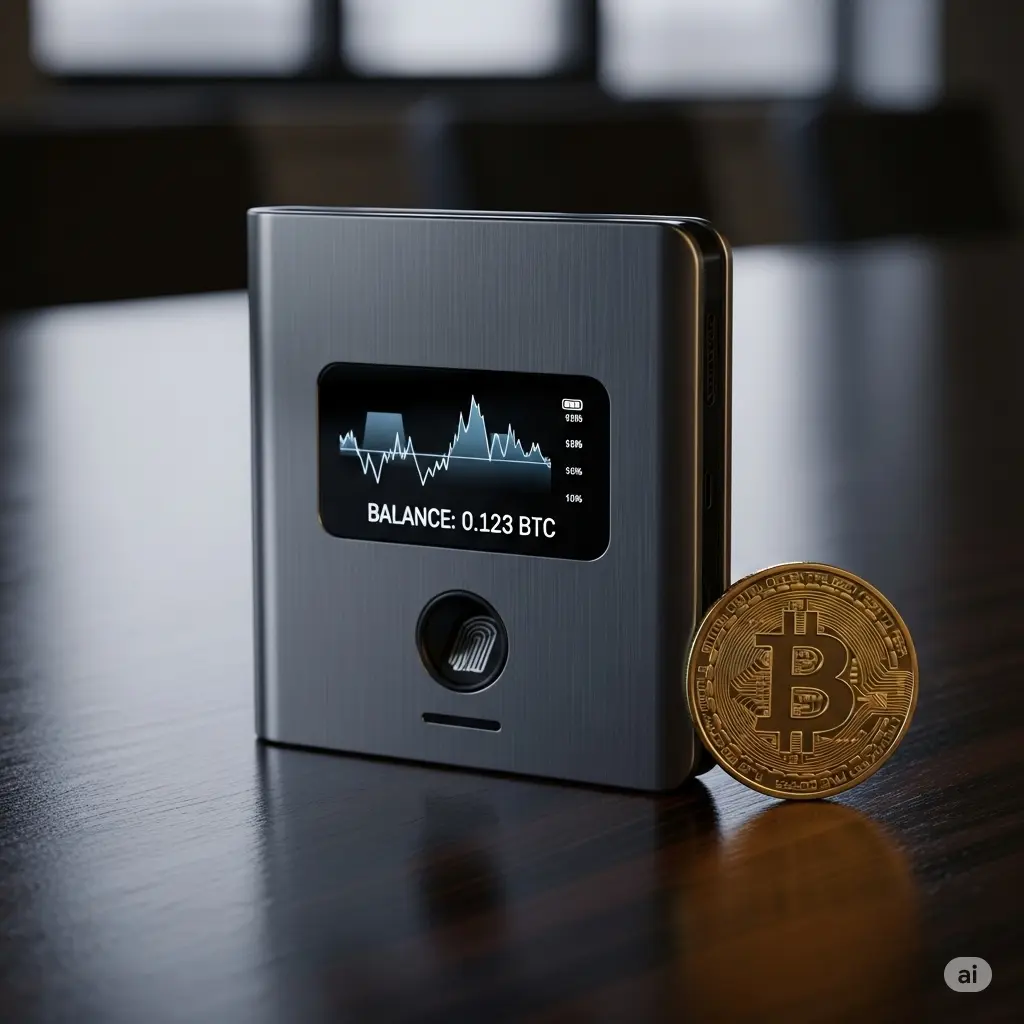
A secure crypto wallet is a digital tool that allows users to store, send, and receive cryptocurrencies like Bitcoin or Ethereum. It securely holds private keys, which are essential for accessing and managing crypto assets. Crypto wallets can be software-based (apps or online) or hardware devices, providing different levels of security and convenience.
Before diving into which wallet is best, let’s break down some essential terms:
- Blockchain: A distributed digital ledger that records all transactions securely and transparently.
- DeFi (Decentralized Finance): Financial systems with no central authority—leveraging blockchain to offer services like lending, borrowing, and trading.
- Web3: The next generation of the internet powered by blockchain, emphasizing decentralization and user control.
- Crypto wallet: A tool that stores cryptographic keys—your private and public keys—to send, receive, and monitor cryptocurrencies.
Why a secure crypto wallet is the focus:
- Without proper wallet security, you risk losing coins forever through hacks or user error.
- Terms like cold wallet, hot wallet, hardware wallet, mobile wallet, decentralized wallet, and wallet backup reflect different providers of security and convenience.
Wallet Types: Cold vs Hot – What’s Best?
Cold Wallets (Offline Storage)
Cold wallets store your private keys offline—perfect for long-term holdings.
Examples:
- Hardware wallets: Devices like Ledger or Trezor.
- Paper wallets: Physical copies of keys (less popular in 2025, but still used).
Pros:
- Top-tier security; offline = immune to online hacks.
- Ideal for large or long-term holdings.
Cons:
- Less convenient for frequent transactions.
- Risk of physical theft or device damage.
Hot Wallets (Online Access)
Hot wallets are connected to the internet—convenient, but more vulnerable.
Examples:
- Mobile wallets (apps on phones).
- Desktop wallets, browser extensions.
- Web wallets (cloud-based services).
Pros:
- Easy and fast access for trading or DeFi.
- Great for daily use—buying in, utilizing DeFi, or following Global Crypto Sports news quickly.
Cons:
- More susceptible to phishing, malware, and hacks.
- Requires strong crypto wallet security habits.
Best Crypto Wallets for Security in 2025
Below is a breakdown of top picks by type, featuring real-world examples, pros, cons, and practicality.
Hardware Wallets (Cold Wallets)
Ledger Nano X / Nano S Plus
- Security: PIN code, recovery phrase, secure chip.
- Why users choose it: Bluetooth (Nano X) or USB (Nano S Plus) connectivity. Accessible for DeFi, NFTs, and everyday crypto holdings.
- Pros:
- Strong encryption.
- Supports hundreds of coins and tokens.
- Cons:
- Cost (around $79–$149).
- Requires physical device handling.
Trezor Model One / Model T
- Security: Open‑source firmware; secure backup.
- Best for: Users who value open‑source transparency.
- Pros:
- Touchscreen (Model T) enhances usability.
- No Bluetooth—slightly more secure from wireless attack vectors.
- Cons:
- Pricier (especially Model T).
- Some users find the interface a bit technical.
Mobile Wallets (Hot Wallets)
Trust Wallet
- Highlights:
- Multi‑coin support.
- DeFi, staking, DApp browser built in.
- Pros:
- Easy setup for beginners.
- Good UI/UX for daily crypto management.
- Cons:
- Always online; vulnerable if your phone is compromised.
- Backup phrase is key—must store securely.
Exodus Wallet (Mobile & Desktop Versions)
- Highlights:
- Great for beginners with a sleek design.
- Built-in exchange feature.
- Pros:
- Simple to use.
- Supports many assets.
- Cons:
- Closed‑source code—less audit transparency.
- Online connection comes with typical hot wallet risks.
Desktop / Browser Extension Wallets
MetaMask (Browser + Mobile)
- Highlights:
- Widely used for DeFi and Web3 dApps.
- Pros:
- Direct access to DeFi protocols.
- Popular and regularly updated.
- Cons:
- Prone to phishing and malicious browser plugins.
- Always be vigilant; use carefully.
Decentralized Wallets (Self‑Custody & Non‑Custodial)
Decentralized wallets simply mean you hold your keys—no third party.
Electrum (Bitcoin‑only, Desktop)
- Highlights:
- Lightweight, fast, with advanced features like hardware wallet integration.
- Pros:
- Useful for advanced users; supports cold storage pairing.
- Cons:
- Limited to Bitcoin.
MyEtherWallet (MEW)
- Highlights:
- Ethereum‑specific web interface.
- Pros:
- You maintain your private keys.
- Cons:
- Web interface carries phishing risk; always check the URL.
How to Pick the Right One for You
Your choice depends on factors like:
- Purpose:
- HODLing long term? Go with a cold wallet (hardware).
- Active trading or using DeFi? Hot wallet needed—but pair with security measures.
- Security vs Convenience:
- Cold wallets = highest security, less convenient.
- Hot wallets = easily used, but more risk; requires strong crypto wallet security practices.
- Supported Assets:
- Do you need multi‑coin support?
- Think about tokens in DeFi, NFTs, etc.
- Backup & Recovery (wallet backup):
- Always write down your recovery phrase (seed phrase).
- Store it offline and in a secure place (e.g. fireproof safe).
Pros and Cons Table: Wallet Types at a Glance
| Wallet Type | Pros | Cons |
|---|---|---|
| Hardware (Cold) | Strongest security, offline, great for long-term | Cost, less convenient, physical risks (loss/damage) |
| Mobile (Hot) | Convenient, good for daily use, DeFi access | Online risk, mobile device compromise |
| Desktop / Browser (Hot) | Full DeFi and Web3 access, fast transactions | Phishing risk, browser vulnerabilities |
| Decentralized (Self‑Custody) | Full control, no third party, can integrate hardware | More responsibility on the user, sometimes complex setup |
Real‑World Case Study: When Hot vs Cold Mattered
In April 2025, a DeFi user who stored $100,000 worth of tokens in a browser extension wallet was targeted by a phishing attack—resulting in theft of nearly all their holdings. In contrast, another investor using a hardware wallet (cold and offline) remained untouched—and recovered their seed phrase after accidentally dropping the device, thanks to a secure wallet backup strategy.
- Lesson: Even a slight lapse in crypto wallet security can cost thousands of dollars—especially with hot wallets. Cold storage + backup is your safeguard.
Actionable Advice for Beginners and Intermediate Investors
Whether you’re new to crypto or somewhat experienced, follow these steps to bolster your secure crypto wallet setup:
For Beginners:
- Start small: Move a small amount into a wallet first to practice.
- Choose a reputable wallet: Consider Exodus, Trust Wallet, or Ledger Nano S Plus.
- Write down your recovery phrase on paper—no digital notes!
- Enable extra security: PIN codes, passphrase, 2FA, especially if available.
- Keep software updated: Both firmware and apps need regular updates to patch vulnerabilities.
- Avoid public Wi-Fi when transacting; use VPN if needed.
- Use phishing-safe habits:
- Bookmark wallet URLs.
- Never click suspicious links.
- Confirm websites manually.
For Intermediate Investors:
- Divide your holdings:
- Use hardware wallets for “cold” long-term storage.
- Keep a smaller portion in a hot wallet for trading or DeFi.
- Use a password manager to store complex passphrases and wallet passwords.
- Keep offline backups:
- Use fireproof storage for recovery phrases.
- Consider metal backup tools—they withstand fire and water.
- Practice set-up regularly:
- Do a full restore on a new device to ensure your wallet backup works.
- Check account activity frequently—unfamiliar addresses or unknown transactions are red flags.
- Stay updated via credible sources—for example, Global Crypto Sports may offer timely news on wallet vulnerabilities.
Frequently Asked Questions (FAQ)
1. What exactly is a secure crypto wallet?
A secure crypto wallet is any wallet that keeps your private keys safe—preferably offline (cold storage)—and includes features like encryption, PIN protection, and a reliable wallet backup system.
2. What is the best crypto wallet 2025 for beginners?
For simplicity and security, Exodus Wallet and Trust Wallet are among the best crypto wallets of 2025: easy to use, support many coins, and have built-in security features.
3. How is a cold wallet different from a hot wallet?
A cold wallet is offline (hardware or paper)—safer from hackers. A hot wallet is connected to the internet (mobile, desktop, browser)—more convenient but riskier in terms of crypto wallet security.
4. Are hardware wallets better than mobile wallets?
Yes, hardware wallets—like Ledger or Trezor—provide better security as they remain offline. Mobile wallets are more vulnerable to malware, phishing, or phone-related issues.
5. What is a decentralized wallet?
A decentralized or non‑custodial wallet means you hold your private keys—not a third party. This gives you full control but also full responsibility.
6. How do I back up my crypto wallet properly?
Write down your recovery seed phrase, store it offline in multiple secure locations, consider metal backups, and test recovery to ensure accuracy.
7. How can I stay updated on crypto wallet security?
Follow trusted platforms like Global Crypto Sports, major crypto news sites, and verified wallet maker channels. Always verify updates and security advisories directly from official sources.
Quick Checklist for Secure Crypto Wallet Use in 2025
- Choose a reputable wallet (cold or hot, depending on your needs).
- Secure private keys and seed phrases offline.
- Use hardware wallets for long-term holdings.
- Keep the hot wallet for minimal use—only for active trading or DeFi.
- Enable added security (PINs, passphrases, app permissions).
- Update wallet software regularly.
- Check transactions—stay alert to phishing attempts.
- Backup accurately and test recovery.
- Stay informed via sites like Global Crypto Sports or direct wallet maker updates.
Conclusion
In 2025’s fast‑evolving crypto landscape, choosing a secure crypto wallet is more than just a technical decision—it’s your digital safe. Whether you opt for a hardware wallet (cold) for ironclad protection or a hot wallet for convenience and DeFi access, combining good habits, backups, and awareness will safeguard your assets.
- Cold wallets like Ledger and Trezor offer unmatched crypto wallet security and peace of mind for long-term holders.
- Hot wallets such as Trust Wallet, Exodus, and MetaMask are excellent for quick access—but only if used with caution.
- No matter which wallet you use, a strong wallet backup, secure passphrase practices, and following trusted news sources like Global Crypto Sports form a triad of safety.
Your Next Steps:
- Determine your crypto usage pattern.
- Select and set up the most appropriate wallet.
- Practice wallet backups and recovery.
- Stay informed, stay secure, and always verify—not assume.
Thank you for reading! If you found this helpful, share the post, subscribe to Global Crypto Sports for the latest crypto news and insights, and stay safe on your crypto journey.
Have questions or experiences to share? Leave a comment below or reach out—we’d love to hear from you.